

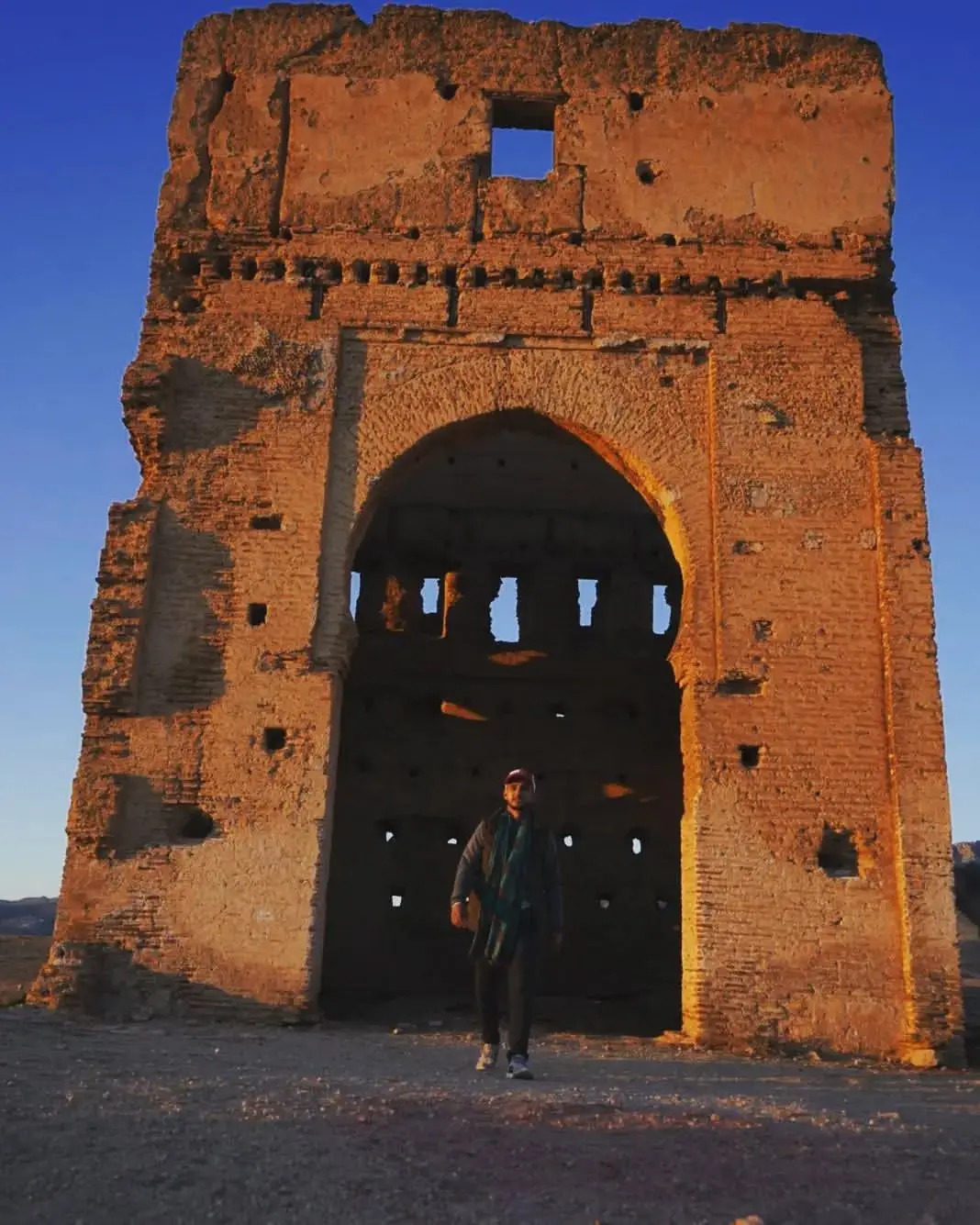
Fes Travel Guide : Discover Morocco’s Ancient Cultural Capital
Fes (also spelled Fez) stands as Morocco’s oldest imperial city and the undisputed cultural and spiritual capital of the kingdom. Founded in 789 AD, this ancient city is home to the world’s oldest continuously operating university, the largest car-free urban area on Earth, and a medina so perfectly preserved that walking through its narrow alleys feels like stepping back in time.
Unlike the more tourist-oriented Marrakech, Fes offers a deeper, more authentic glimpse into traditional Moroccan life. The city’s medieval medina, Fes el-Bali, is a UNESCO World Heritage site where skilled artisans continue centuries-old crafts, where the call to prayer echoes from hundreds of mosques, and where the rhythm of daily life has remained largely unchanged for over a millennium.
As the founder of Wild Nomad Trails and a proud Moroccan, I consider Fes to be the soul of my country. In this comprehensive guide, I’ll share everything you need to know to experience this extraordinary city. Learn more about our passion for Morocco →
Why Visit Fes? Top Reasons to Explore Morocco’s Cultural Capital
1. The World’s Largest Car-Free Urban Zone
Fes el-Bali contains over 9,000 narrow streets and alleyways where donkeys and handcarts remain the primary mode of transportation—just as they have been for centuries.
2. Living Medieval History
Unlike museum cities, Fes is a living, breathing medieval metropolis where traditional crafts, trades, and customs continue authentically.
3. Architectural Masterpieces
From intricate zellige tilework to carved cedar and sculpted stucco, Fes showcases the pinnacle of Islamic art and architecture.
4. Authentic Moroccan Culture
Less commercialized than Marrakech, Fes offers more genuine interactions and cultural experiences.
5. Gateway to Northern Morocco
Perfectly positioned for exploring the Rif Mountains, Chefchaouen, Meknes, and Volubilis.
Best Time to Visit Fes
Spring (March to May)
The ideal time to visit Fes. Temperatures range from 18°C to 26°C (64°F to 79°F), gardens are blooming, and the weather is perfect for exploring the medina on foot. This season coincides with the famous Fes Festival of World Sacred Music (usually in June).
Autumn (September to November)
Another excellent season with comfortable temperatures and fewer tourists than spring. The olive harvest season brings special culinary experiences.
Summer (June to August)
Hot temperatures reaching 35-40°C (95-104°F) make midday exploration challenging. However, the medina’s covered passages provide some relief, and hotel prices are lower.
Winter (December to February)
Mild but can be rainy and cold, especially at night. Temperatures range from 8°C to 16°C (46°F to 61°F). Fewer tourists mean more intimate experiences.
Pro Tip from Youness: Fes is generally 5-10 degrees cooler than Marrakech year-round due to its higher elevation. Pack layers even in summer for cool evenings. Our Royal Morocco Tour is designed to visit Fes during optimal weather conditions.
Top Attractions in Fes
1. Fes el-Bali (The Old Medina)
The Fes el-Bali medina is the crown jewel of Moroccan heritage and the world’s largest contiguous car-free urban area. With over 9,400 narrow streets, 14 gates, and countless dead ends, this UNESCO World Heritage site is essentially an open-air museum of medieval Islamic civilization.
What makes Fes el-Bali special:
- Over 9,000 narrow alleyways and streets
- 14 historic gates (babs)
- Hundreds of mosques and religious schools
- Thousands of traditional craftsmen
- Authentic souks organized by trade
Important: A local guide is highly recommended for your first visit to prevent getting lost. Contact Wild Nomad Trails to arrange an expert guide who knows every hidden corner.
2. Al-Qarawiyyin Mosque and University
Founded in 859 AD by Fatima al-Fihri, Al-Qarawiyyin is recognized by UNESCO and the Guinness Book of World Records as the world’s oldest continuously operating educational institution. This mosque-university complex predates Oxford and Bologna by centuries.
Key facts:
- Founded in 859 AD
- Capacity for 20,000 worshippers
- Historic library with priceless manuscripts
- Non-Muslims cannot enter but can view the courtyard through doorways
- Recently restored library now partially accessible
3. Chouara Tannery
The Chouara Tannery is Fes’s most iconic sight and one of Morocco’s most photographed locations. Dating back to the 11th century, this ancient leather tannery operates using traditional methods virtually unchanged for nearly a millennium.
What to expect:
- Hundreds of stone vessels filled with colorful dyes
- Workers using ancient techniques
- Best viewed from surrounding leather shops (free with purchase expected)
- Strong smell—vendors offer mint sprigs
- Best lighting for photos in the morning
Pro tip: The tanneries are best visited in the morning when workers are most active and the light is optimal for photography.
4. Bou Inania Madrasa
Built between 1351 and 1356 by the Marinid Sultan Bou Inan, this theological college is considered the finest example of Marinid architecture in Morocco. Unlike most religious buildings, non-Muslims are welcome inside.
Highlights:
- Intricate zellige (mosaic tilework)
- Carved cedar wood ceilings and screens
- Sculpted stucco walls
- Marble floors and fountains
- Unique water clock (now non-functional)
5. Medersa el-Attarine
Another Marinid masterpiece, Medersa el-Attarine (1325) features some of the most exquisite decorative work in Morocco. Located near the spice souk, its name means “Madrasa of the Perfumers.”
Highlights:
- Stunning courtyard with central fountain
- Elaborate geometric and floral patterns
- Views over the medina from the rooftop
- Smaller and more intimate than Bou Inania
6. Nejjarine Museum of Wood Arts and Crafts
Housed in a beautifully restored 18th-century foundouk (caravanserai), the Nejjarine Museum showcases Morocco’s rich tradition of woodworking and carpentry.
Features:
- Three floors of wooden artifacts
- Traditional tools and techniques
- Stunning building architecture
- Rooftop café with medina views
- Located on the picturesque Nejjarine Square
7. Dar Batha Museum
This 19th-century palace now houses Morocco’s finest collection of traditional Fassi arts and crafts, including the famous Fes blue ceramics.
Collections include:
- Traditional ceramics and pottery
- Embroidery and textiles
- Carved wood and wrought iron
- Astrolabes and scientific instruments
- Beautiful Andalusian garden
8. Royal Palace (Dar el-Makhzen)
While the Royal Palace interior is closed to visitors, its magnificent entrance gates are among the most photographed sites in Fes. The seven golden doors, intricate zellige tilework, and carved cedarwood create a stunning photo opportunity.
9. Borj Nord and Borj Sud
These 16th-century fortresses built by the Saadian dynasty offer panoramic views over the entire medina. Borj Nord houses an arms museum with an impressive collection of weapons from around the world.
10. Jewish Quarter (Mellah)
Established in 1438, the Fes Mellah was one of Morocco’s first Jewish quarters. Today, you can visit the Jewish Cemetery, Ibn Danan Synagogue, and explore the distinctive architecture with its wooden balconies.
Exploring Fes Souks: A Journey Through Time
Unlike the more tourist-oriented souks of Marrakech, Fes souks remain primarily working markets serving local residents. They’re organized by trade, a medieval system that continues today.
Traditional Souks by Trade
Souk el-Attarine (Spice Souk)
Aromatic spices, herbs, traditional remedies, and perfumes fill this sensory-rich market near the Qarawiyyin Mosque.
Souk el-Nejjarine (Carpenters’ Souk)
Watch craftsmen create furniture and decorative items using traditional techniques passed down through generations.
Souk el-Henna
A small square dedicated to henna, kohl, traditional cosmetics, and ceramic goods.
Souk Ain Allou (Leather Souk)
Leather goods made from hides processed in the famous tanneries—bags, shoes, jackets, and poufs.
Souk el-Sabbighine (Dyers’ Souk)
Watch as skeins of wool and silk are dyed in brilliant colors and hung to dry over the narrow streets.
What to Buy in Fes
- Fes Blue Ceramics: The distinctive blue and white pottery is unique to Fes
- Leather Goods: Directly from the tanneries—the most authentic in Morocco
- Embroidery: Fes is famous for intricate needlework
- Brassware: Trays, lamps, and decorative items
- Textiles: Silk scarves, caftans, and traditional clothing
- Spices and Argan Oil: Fresh and high quality
- Traditional Slippers (Babouches): Handmade leather footwear
Bargaining Tips from a Local
- Fes shopkeepers are generally less aggressive than in Marrakech
- Start at 40-50% of the asking price (slightly higher than Marrakech)
- Take your time—tea may be offered during negotiations
- Quality in Fes is often higher, justifying slightly higher prices
- Ask to see the workshop—many items are made on-site
- Compare prices but remember that handmade quality varies
Want an authentic shopping experience? Our guides at Wild Nomad Trails know the best artisans for genuine, quality crafts. Contact us to arrange a guided souk tour →
Where to Stay in Fes
Traditional Riads in the Medina
Staying in a riad within Fes el-Bali offers an incomparable experience. These restored traditional houses feature interior courtyards, fountains, and authentic Moroccan architecture.
Luxury Riads:
- Riad Fes (5-star luxury)
- Palais Faraj Suites & Spa (panoramic views)
- Riad Laaroussa (boutique elegance)
Mid-Range Riads:
- Riad Myra
- Dar Roumana
- Riad Maison Bleue
Budget-Friendly Riads:
- Dar Seffarine
- Riad Verus
- Dar Finn
Hotels Outside the Medina
For those preferring modern amenities and easier access:
- Hotel Sahrai (contemporary luxury with medina views)
- Marriott Jnan Palace
- Palais Medina & Spa
Accommodation Tips
- Riads in the medina require walking through narrow streets—pack light
- Ask your riad to arrange airport/train station pickup
- GPS doesn’t work well in the medina—get precise directions
- Some riads offer cooking classes and cultural experiences
- Book riads with rooftop terraces for stunning views
Need help choosing? All accommodations are carefully selected and included in our tour packages. Check out our Grand Morocco Tour for premium riad experiences.
Fes Food Guide: Culinary Capital of Morocco
Fes is widely considered Morocco’s gastronomic capital, with a refined cuisine influenced by Andalusian, Arab, and Berber traditions. Fassi cuisine is more subtle and complex than food found elsewhere in Morocco.
Signature Dishes of Fes
Pastilla (Bastilla)
Fes is the birthplace of this iconic dish—layers of flaky warqa pastry filled with pigeon or chicken, almonds, eggs, and aromatic spices, dusted with cinnamon and powdered sugar. A must-try!
Fassi Tagine
Fes tagines are known for their subtle spicing and unique combinations like lamb with prunes and almonds, or chicken with preserved lemons and olives.
Rfissa
A festive dish of shredded msemen (layered flatbread) topped with lentils and chicken in a fenugreek-spiced sauce. Traditionally served to new mothers.
Harira
While found throughout Morocco, Fassi harira is considered the finest—a rich, tomato-based soup with lentils, chickpeas, and herbs.
Mechoui
Slow-roasted whole lamb, tender and flavorful, often served at celebrations.
Briouat
Crispy fried pastries filled with meat, cheese, or almonds—the Fassi version is particularly refined.
Sweet Treats
- Cornes de Gazelle: Crescent-shaped almond pastries
- Chebakia: Sesame and honey cookies
- Ghriba: Crumbly almond cookies
- Sellou: Energy-rich mixture of almonds, sesame, and honey
Where to Eat in Fes
Fine Dining:
- Dar Roumana: Renowned for refined Moroccan cuisine
- Restaurant Dar Hatim: Authentic family recipes in a stunning riad
- L’Amandier Palais Faraj: Rooftop dining with panoramic views
- Riad Fes Restaurant: Elegant Fassi cuisine
Mid-Range:
- Café Clock: Fusion cuisine including famous camel burger
- The Ruined Garden: Beautiful garden setting
- Chez Rachid: Home-style cooking
- Dar Tajine: Traditional dishes in the medina
Street Food & Budget:
- Talaa Kebira Street: Various food stalls
- Rcif Square: Local breakfast spots
- Bab Boujloud area: Affordable restaurants
Youness’s Personal Recommendations
As someone who has eaten across Morocco, Fes holds a special place for food:
- Don’t miss pastilla—Fes invented it and makes it best
- Try breakfast at a local café: msemen, beghrir (spongy pancakes), and fresh orange juice
- Visit during Ramadan for the most incredible food experiences
- Take a cooking class to learn the secrets of Fassi cuisine
Want a culinary experience? Our Ultimate Morocco Tour includes authentic food experiences and optional cooking classes.
Day Trips from Fes
Meknes
Just 60 km from Fes, Meknes is another imperial city often called the “Versailles of Morocco.” Built by Sultan Moulay Ismail in the 17th century, it features massive walls, grand gates, and the impressive Heri es-Souani granaries.
Highlights:
- Bab Mansour (Morocco’s most impressive gate)
- Moulay Ismail Mausoleum
- Heri es-Souani (royal granaries and stables)
- Place el-Hedim
- The medina and Jewish quarter
Distance: 60 km (1 hour drive)
Volubilis
The best-preserved Roman ruins in Morocco, Volubilis was once a thriving Roman city and later the capital of Idrisid dynasty. The site features remarkably intact mosaics, triumphal arches, and the remains of grand villas.
Highlights:
- Stunning floor mosaics
- Triumphal Arch of Caracalla
- Basilica and Capitol
- House of Orpheus
- Panoramic countryside views
Distance: 30 km from Meknes, 90 km from Fes
Moulay Idriss Zerhoun
Morocco’s holiest town, Moulay Idriss is named after the founder of the first Moroccan dynasty and the man who brought Islam to Morocco. The town is built on two hills with stunning views and sacred atmosphere.
Highlights:
- Tomb of Moulay Idriss (exterior only for non-Muslims)
- Panoramic viewpoints
- Authentic Moroccan town atmosphere
- Local markets
Distance: 25 km from Meknes, 85 km from Fes
Chefchaouen
The famous “Blue City” is a popular day trip from Fes, though an overnight stay is recommended to fully appreciate its magic. The blue-washed buildings, mountain setting, and relaxed atmosphere make it a photographer’s paradise.
Distance: 200 km (4 hours drive)—consider an overnight stay
Ifrane
Known as “Morocco’s Switzerland,” Ifrane is a clean, European-style town in the Middle Atlas Mountains. Famous for its alpine architecture, cedar forests, and the stone lion sculpture.
Highlights:
- Alpine architecture
- Azrou cedar forest (home to Barbary macaques)
- Winter skiing at Michlifen
- Cool summer escape
Distance: 60 km (1 hour drive)
Middle Atlas Mountains
The Middle Atlas offers beautiful landscapes, Berber villages, and outdoor activities. Visit cedar forests, natural lakes, and experience traditional mountain life.
Explore beyond Fes: Our Heart of Morocco Tour includes day trips to Meknes, Volubilis, and more.
Getting to Fes
By Air
Fes-Saïs International Airport (FEZ) receives flights from major European cities and some domestic connections. The airport is 15 km south of the city center.
Airlines serving Fes:
- Ryanair
- Air Arabia
- Royal Air Maroc
- Transavia
- TUI fly
Airport Transfer: Taxis, hotel transfers, or pre-arranged pickup through Wild Nomad Trails.
By Train
Fes has excellent rail connections via ONCF (Moroccan Railways):
- From Marrakech: 7 hours
- From Casablanca: 4 hours
- From Rabat: 3 hours
- From Tangier: 4.5 hours
The main train station is Fes Ville, located in the new city (Ville Nouvelle).
By Bus
CTM and Supratours operate comfortable buses from major cities. The CTM station is near Place Atlas in the new city.
From Marrakech via the Desert
Many travelers combine Fes with a Sahara Desert experience, traveling from Marrakech through the desert and ending in Fes.
Book our popular 3-Day Desert Tour from Marrakech to Fes →
Practical Tips for Visiting Fes
Getting Around
Walking
The only way to explore the medina. Wear comfortable, sturdy shoes—streets are uneven and often slippery.
Taxis
Petit taxis (red) operate within the city. They cannot enter the medina but can take you to the gates. Always agree on price beforehand or insist on the meter.
Donkeys and Mules
Still the primary transport for goods in the medina. Step aside when you hear “Balak!” (watch out!).
Navigating the Medina
- Hire a guide for your first exploration—essential for understanding the history and avoiding getting lost
- Note landmarks: mosques, fountains, and decorative doorways help with orientation
- Follow the crowds: main arteries generally lead to major attractions
- Don’t panic if lost—locals are usually helpful
- Download offline maps: Maps.me works somewhat in the medina
- Look up: Building details and street signs can help orient you
Money Matters
- Currency: Moroccan Dirham (MAD)
- ATMs available in the new city and at medina entrances
- Credit cards accepted at hotels and upscale restaurants
- Cash essential in the medina and souks
- Budget: 400-700 MAD ($40-70) per day for mid-range travel
Safety Tips
- Fes is generally very safe for tourists
- Beware of false guides offering unsolicited help
- Keep valuables secure in crowded areas
- Dress modestly, especially near religious sites
- Be cautious at night in isolated areas
- Book through reputable agencies like Wild Nomad Trails
What to Pack
- Very comfortable walking shoes (essential!)
- Modest clothing covering shoulders and knees
- Light layers (temperature varies significantly)
- Small daypack for exploring
- Portable phone charger
- Tissues/hand sanitizer
- Small flashlight for dark alleyways
- Mint or strong-scented item for tannery visit
Etiquette and Culture
- Photography: Always ask before photographing people
- Mosques: Non-Muslims cannot enter most mosques
- Greetings: Learn basic Arabic greetings—locals appreciate the effort
- Ramadan: Respect the fast by not eating/drinking publicly during daylight
- Dress: Conservative dress shows respect, especially for women
Fes Itinerary: 3 Days in Morocco’s Cultural Capital
Day 1: Discover Fes el-Bali
Morning (9:00 AM – 12:30 PM)
- Start at Bab Boujloud (Blue Gate)
- Walk down Talaa Kebira (main street)
- Visit Bou Inania Madrasa
- Explore the spice and henna souks
Lunch
- Traditional restaurant near Rcif Square
Afternoon (2:00 PM – 6:00 PM)
- Al-Qarawiyyin Mosque (exterior) and surrounding area
- Medersa el-Attarine
- Explore the Nejjarine Square and Museum
- Visit the Chouara Tannery (best afternoon light)
Evening
- Sunset from a rooftop restaurant
- Dinner at a traditional riad
Day 2: Arts, Crafts, and Culture
Morning (9:00 AM – 12:30 PM)
- Dar Batha Museum
- Jewish Quarter (Mellah) and Ibn Danan Synagogue
- Jewish Cemetery
Lunch
- Café Clock for their famous camel burger
Afternoon (2:00 PM – 6:00 PM)
- Royal Palace gates (photo stop)
- Explore different souks—leather, carpets, brassware
- Watch artisans at work
- Shopping with a local guide
Evening
- Cooking class at a riad, OR
- Traditional dinner with Andalusian music
Day 3: Beyond the Medina
Full Day Trip Option A: Meknes and Volubilis
- Morning: Explore Meknes imperial city
- Midday: Lunch in Meknes
- Afternoon: Roman ruins at Volubilis
- Optional: Stop at Moulay Idriss
Full Day Trip Option B: Middle Atlas
- Morning: Drive to Ifrane
- Midday: Cedar forests and Barbary macaques near Azrou
- Afternoon: Berber villages and local lunch
- Return via scenic mountain roads
Evening
- Traditional hammam experience
- Final dinner in the medina
Want us to plan your perfect Fes itinerary? Contact Wild Nomad Trails for a customized experience tailored to your interests.
Popular Morocco Tours Including Fes
At Wild Nomad Trails, many of our most popular tours feature Fes as a highlight. Here are our top recommendations:
3-Day Desert Tour from Marrakech to Fes
The perfect way to experience the Sahara Desert while traveling between Morocco’s two great cities. Includes camel trekking, desert camping, and stunning landscapes.
Highlights:
- Ait Benhaddou UNESCO site
- Todra Gorge
- Merzouga sand dunes
- Camel trek and desert camp
- Arrive in Fes
The Royal Morocco Tour
Explore all four of Morocco’s imperial cities—Marrakech, Fes, Meknes, and Rabat—with in-depth visits to each. Perfect for history and culture enthusiasts.
Highlights:
- Comprehensive Fes medina exploration
- Meknes and Volubilis day trip
- Royal palaces and historic monuments
- Expert local guides
Grand Morocco Tour
A comprehensive journey through Morocco’s most iconic destinations, with ample time to explore Fes and its surroundings.
Highlights:
- Multiple days in Fes
- Sahara Desert experience
- Coastal and mountain scenery
- Authentic local experiences
The Ultimate Morocco Tour
Our most complete Morocco experience, covering everything from Fes and Chefchaouen to the Sahara Desert and Atlantic coast.
Highlights:
- Extended Fes exploration
- Chefchaouen blue city
- Sahara Desert adventure
- Essaouira coastal town
- All major attractions
The Heart of Morocco Tour
Discover Morocco’s essential highlights in a perfectly balanced itinerary that includes quality time in Fes.
Highlights:
- Fes medina and surroundings
- Desert experience
- Imperial city visits
- Cultural immersion
The Grand Southern Tour: 14-Day Morocco Expedition
Our flagship adventure for those wanting an in-depth Morocco experience, including comprehensive Fes exploration.
Highlights:
- Extended time in Fes
- Southern Morocco landscapes
- Off-the-beaten-path destinations
- Complete cultural immersion
Fes vs. Marrakech: Which Should You Visit?
Many travelers wonder whether to visit Fes or Marrakech. Here’s my honest comparison:
| Aspect | Fes | Marrakech |
|---|---|---|
| Authenticity | More traditional, less touristy | More developed for tourism |
| Medina | Larger, more complex, truly medieval | Easier to navigate, more commercial |
| Crowds | Fewer tourists | More crowded |
| Shopping | More authentic, better quality crafts | More variety, more souvenir-oriented |
| Food | Refined, subtle Fassi cuisine | More diverse options |
| Nightlife | Quiet, traditional | More modern options |
| Getting Around | Challenging, guide recommended | Easier to navigate |
| Day Trips | Meknes, Volubilis, Chefchaouen | Atlas Mountains, Essaouira |
My recommendation: Visit both if time allows! They offer complementary experiences. Our 3-Day Desert Tour from Marrakech to Fes is perfect for experiencing both cities with a Sahara adventure in between.
Frequently Asked Questions About Fes
Is Fes safe for tourists?
Yes, Fes is very safe for tourists. It’s actually less hectic than Marrakech and locals are generally helpful. Exercise normal precautions, book reputable guides, and respect local customs.
How many days do you need in Fes?
2-3 days minimum for the main attractions. 4-5 days allows for day trips to Meknes, Volubilis, and Chefchaouen. Our tours are designed to give you optimal time in each destination.
Do I need a guide in Fes?
Highly recommended, especially for your first visit. The medina is genuinely confusing, and a guide provides invaluable historical context. Contact us for expert local guides.
Is Fes worth visiting?
Absolutely! Fes offers Morocco’s most authentic medina experience, incredible architecture, and genuine cultural immersion. It’s essential for anyone wanting to understand Moroccan history and culture.
What is Fes famous for?
Fes is famous for the world’s oldest university (Al-Qarawiyyin), the largest car-free urban zone (Fes el-Bali medina), ancient leather tanneries, and being Morocco’s cultural and spiritual capital.
Can you drink alcohol in Fes?
Yes, alcohol is available in licensed hotels, some restaurants in the Ville Nouvelle, and riads with proper licenses. It’s not served in the traditional medina.
What should women wear in Fes?
Modest dress is recommended—cover shoulders and knees. Fes is more conservative than Marrakech, especially in the medina. A scarf is useful for sun protection and visiting certain areas.
Is Fes cheaper than Marrakech?
Generally yes—accommodation, food, and crafts can be 10-20% cheaper in Fes. The quality of handmade items is often higher, offering better value.
How do I get from Marrakech to Fes?
Options include:
- Train (7 hours, scenic route)
- Flight (1 hour)
- Private transfer (6-7 hours)
- 3-Day Desert Tour via Sahara (recommended!)
What language is spoken in Fes?
Arabic and Berber are official languages. French is widely spoken. English is less common than in Marrakech but understood in tourist areas.
Conclusion: Why Fes Should Be on Your Morocco Itinerary
Fes is not just a destination—it’s a journey through time. Walking through its ancient medina, you’ll experience a living medieval city where craftsmen practice trades unchanged for centuries, where the call to prayer echoes through narrow alleyways, and where the soul of Morocco remains beautifully preserved.
While Marrakech may be more famous, Fes offers something increasingly rare in our modern world: authenticity. This is where you’ll find the real Morocco, unchanged by mass tourism and preserved by generations of proud Fassis.
Whether you’re marveling at the world’s oldest university, watching leather tanners at work as they have for a millennium, or simply getting gloriously lost in the medina’s labyrinthine streets, Fes will leave an indelible impression on your heart.
As a Moroccan, I believe Fes is essential for anyone wanting to truly understand my country. At Wild Nomad Trails, we’re passionate about sharing this extraordinary city with travelers from around the world.
Ready to discover Fes?
📧 Contact Us
🌐 Visit: wildnomadtrails.com
📖 Learn About Us
About the Author
Youness Oulahbib is the founder of Wild Nomad Trails, a Morocco-based tour agency specializing in authentic travel experiences across the country. Born and raised in Morocco, Youness combines his deep local knowledge with a passion for sustainable tourism to create unforgettable journeys for travelers from around the world.
With years of experience guiding visitors through Morocco’s imperial cities, Sahara Desert, Atlas Mountains, and coastal towns, Youness and his team at Wild Nomad Trails are dedicated to showcasing the best of Moroccan culture, hospitality, and natural beauty.
Connect with Wild Nomad Trails:
- 🌐 Website: wildnomadtrails.com
- 📖 About Us
- 📧 Contact Us
- 📍 Based in Morocco
Related Articles & Tours: